
In the modern era of construction and industrialization, efficiency has become a cornerstone of successful building projects. As businesses and industries strive for sustainability and cost-effectiveness, the demand for innovative construction solutions has surged. Among these, steel structure buildings have emerged as a leading choice. This article will explore the various aspects of Lida Group’s steel structure buildings, their advantages, design considerations, applications, and the future of steel construction.
Understanding Steel Structure Buildings
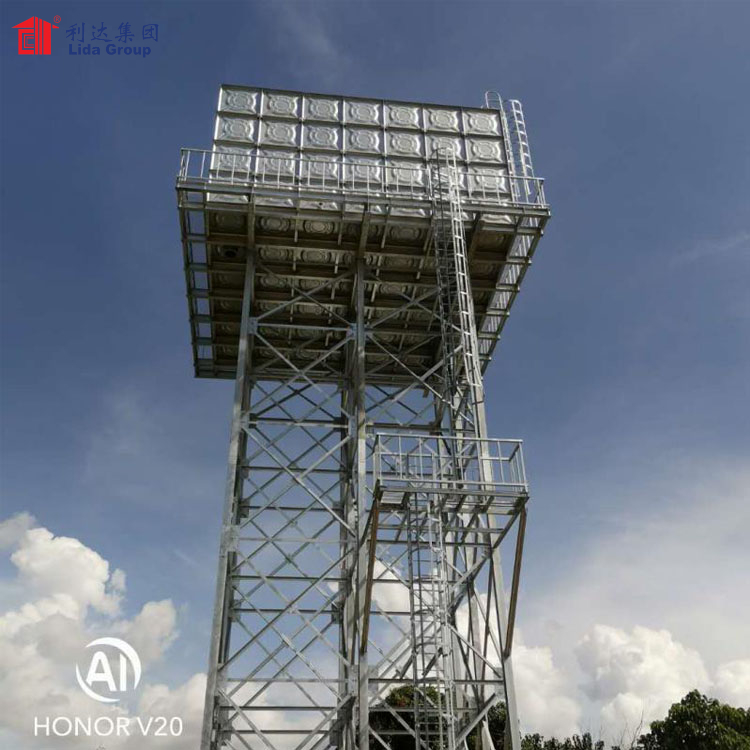
Steel structure buildings are constructed primarily using steel as the main material for framing and support. This method of construction has gained immense popularity due to its inherent properties, including strength, durability, and versatility. Lida Group, a prominent player in the steel construction industry, has harnessed the potential of steel to deliver high-quality, efficient building solutions.
Key Components of Steel Structure Buildings
- Steel Frames: The skeletal structure that provides stability and support.
- Roof Systems: Often made from steel panels or trusses, designed for various environmental conditions.
- Wall Systems: Insulated metal panels or steel cladding that offer thermal efficiency and protection.
- Flooring: Typically reinforced concrete or steel decking, built to support heavy loads.
- Doors and Windows: Customizable options that enhance functionality and aesthetics.
Advantages of Steel Structure Buildings
1. Durability and Strength
Steel is renowned for its exceptional strength-to-weight ratio, making it an ideal choice for construction. Steel structure buildings can withstand extreme weather conditions, seismic activity, and heavy loads. This durability translates into lower maintenance costs and longer lifespans, allowing businesses to invest confidently in their infrastructure.
2. Cost-Effectiveness
While the initial investment for steel construction may be higher than traditional materials, the long-term savings are significant:
- Reduced Labor Costs: Steel components are prefabricated, which minimizes on-site labor requirements and speeds up construction time.
- Lower Maintenance Costs: The resilience of steel reduces the need for repairs and upkeep, resulting in lower overall costs.
- Energy Efficiency: Steel buildings can be designed with energy-efficient systems, leading to reduced utility expenses.
3. Flexibility and Customization
One of the standout features of steel structure buildings is their adaptability:
- Modular Design: Steel structures can be designed in modules, allowing for easy expansion or reconfiguration as business needs change.
- Customizable Spaces: Interior layouts can be easily modified to accommodate different operational requirements, from manufacturing to office spaces.
4. Speed of Construction
Time is often a critical factor in construction projects. Steel structure buildings can be erected quickly due to:
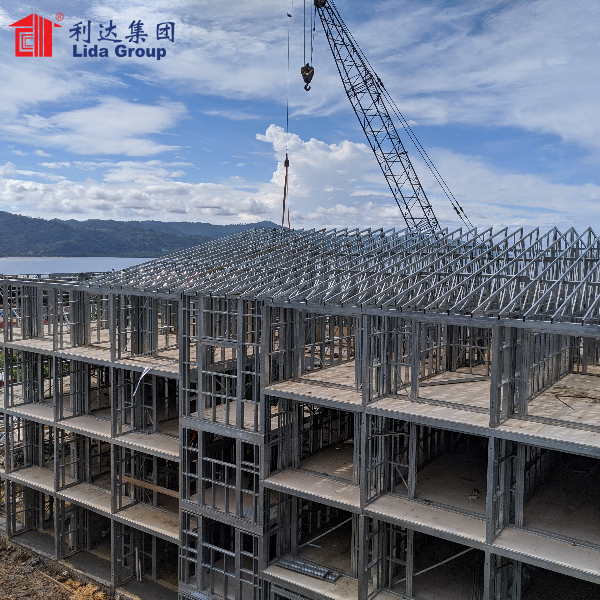
- Prefabrication: Many components are manufactured off-site, significantly reducing on-site construction time.
- Quick Assembly: The lightweight nature of steel allows for faster handling and installation, enabling businesses to commence operations sooner.
5. Sustainability
Sustainability is increasingly important in modern construction. Steel is one of the most recyclable materials available, and its use in buildings can significantly reduce environmental impact:
- Recyclability: Steel can be recycled without losing quality, making it a sustainable choice for construction.
- Energy Efficiency: Steel buildings can incorporate energy-efficient technologies, such as solar panels and high-performance insulation, further minimizing their carbon footprint.
6. Safety Features
Safety is paramount in any construction project. Steel structure buildings can be designed with various safety features:
- Fire Resistance: Steel is inherently fire-resistant, enhancing workplace safety and reducing insurance costs.
- Structural Integrity: Steel’s strength ensures that buildings can support heavy loads and withstand seismic activities, providing peace of mind to occupants.
Design Considerations for Steel Structure Buildings
When designing steel structure buildings, several factors must be taken into account to maximize efficiency and functionality:
1. Layout and Space Utilization
An effective layout is crucial for optimizing space. Businesses should consider workflow, equipment placement, and storage needs to create an organized environment that enhances productivity.
2. Vertical Space Utilization
Steel structures allow for high ceilings, enabling businesses to maximize vertical space. Installing tall shelving or racking systems can significantly increase storage capacity without expanding the building’s footprint.
3. Modular Design Flexibility
Modular designs enable businesses to expand or reconfigure their space as needed. This adaptability is essential for companies anticipating growth or changes in operational requirements.
4. Climate Control Systems
Depending on the nature of the goods or services provided, climate control may be necessary. Steel structure buildings can incorporate advanced insulation and HVAC systems to maintain optimal conditions.
5. Safety and Accessibility
Designing with safety in mind is crucial. This includes ensuring proper lighting, ventilation, emergency exits, and accessibility features for all employees.
Applications of Steel Structure Buildings
Steel structure buildings are versatile and can be used in a variety of industries. Below are some notable applications:
1. Industrial Manufacturing
Steel structure buildings are ideal for manufacturing facilities. Their open layouts can accommodate heavy machinery and allow for efficient workflow management.
2. Warehousing and Distribution
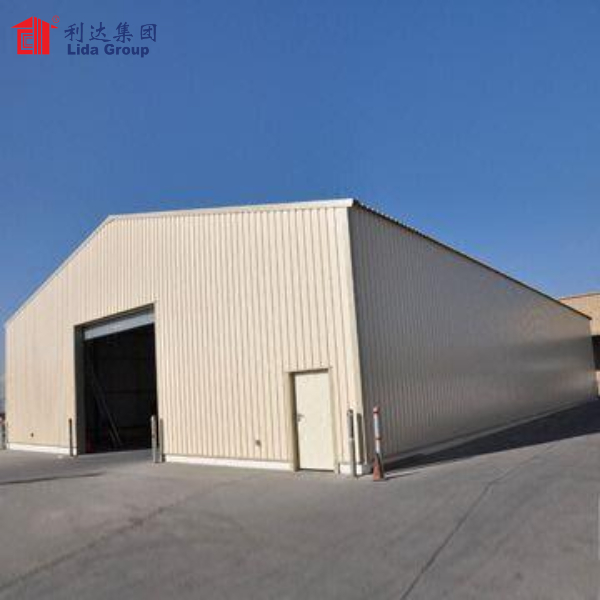
With the rise of e-commerce, the need for efficient warehousing solutions has grown. Steel buildings can be designed with high ceilings and wide spans, optimizing storage space and improving logistics.
3. Commercial Spaces
From retail stores to office buildings, steel structure buildings offer flexibility and durability. Customizable designs allow businesses to create spaces that reflect their brand and operational needs.
4. Agricultural Buildings
Agricultural operations benefit from steel structures for barns, storage facilities, and processing plants. These buildings are designed to withstand harsh weather conditions while providing ample space for equipment and livestock.
5. Educational Facilities
Schools and educational institutions are increasingly turning to steel structures for classrooms, laboratories, and recreational facilities. The durability and safety features of steel buildings create a conducive learning environment.
Future Trends in Steel Structure Buildings
As the construction industry evolves, several trends are shaping the future of steel structure buildings:
1. Smart Building Technologies
The integration of smart technologies will enhance the functionality of steel structure buildings. This includes IoT devices for monitoring energy usage, automated systems for inventory management, and advanced security systems to ensure safety.
2. Sustainable Construction Practices
The push for sustainability will drive the adoption of eco-friendly practices in steel construction. This includes using recycled materials, implementing energy-efficient systems, and designing buildings for minimal environmental impact.
3. Increased Customization Options
Advancements in design software and prefabrication techniques will allow for even greater customization of steel structures. This will enable businesses to create tailored solutions that meet their specific operational needs.
4. Focus on Employee Well-being
The future of workplace design will prioritize employee well-being. Steel structure buildings will incorporate features such as natural lighting, breakout areas, and green spaces, promoting a positive work environment.
Conclusion
Building efficiency is paramount in today’s competitive landscape, and Lida Group’s steel structure buildings offer a robust solution for various industries. With their durability, cost-effectiveness, and adaptability, steel structures are transforming the way businesses approach construction. As we look to the future, the integration of smart technologies and sustainable practices will further enhance the value of steel structure buildings.
Investing in steel construction is not just about creating a workspace; it’s about building a foundation for growth, resilience, and innovation. Lida Group stands at the forefront of this evolution, committed to delivering exceptional steel structure solutions that meet the needs of modern businesses. Whether for manufacturing, warehousing, or commercial spaces, steel structure buildings represent a strategic investment in efficiency and success.
Contact Us
Post time: Sep-25-2024